We’re Havin’ a Heatwave
Administracja ds. Bezpieczeństwa i Higieny Pracy (OSHA) jest już na etapie planowania następnej fali upałów, zwykle występującej w
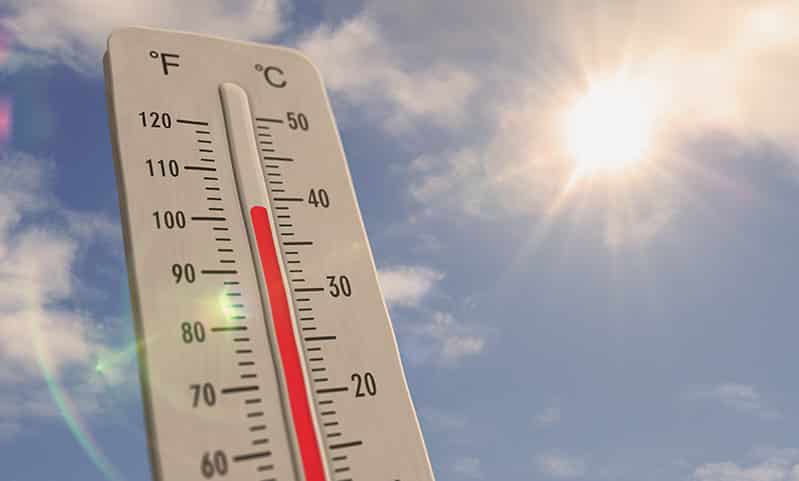
koniec lipca lub początek sierpnia. Nowa polityka ochrony przed upałem, ogłoszona w październiku 2021 r., zwróci uwagę na takie obszary, jak progi stresu cieplnego, planowanie aklimatyzacji cieplnej i monitorowanie narażenia. Agencja zauważyła, że nadmierne ciepło jest główną związaną z pogodą przyczyną obrażeń i zgonów w miejscu pracy.

Dla kontrastu A
Adwokat ds. obrażeń ciała w Nowym Jorku aggressively protects health and safety from excessive heat exposure. This responsibility also includes protecting our friends and neighbors during the increasingly frequent heat waves.
Ochrona pracowników
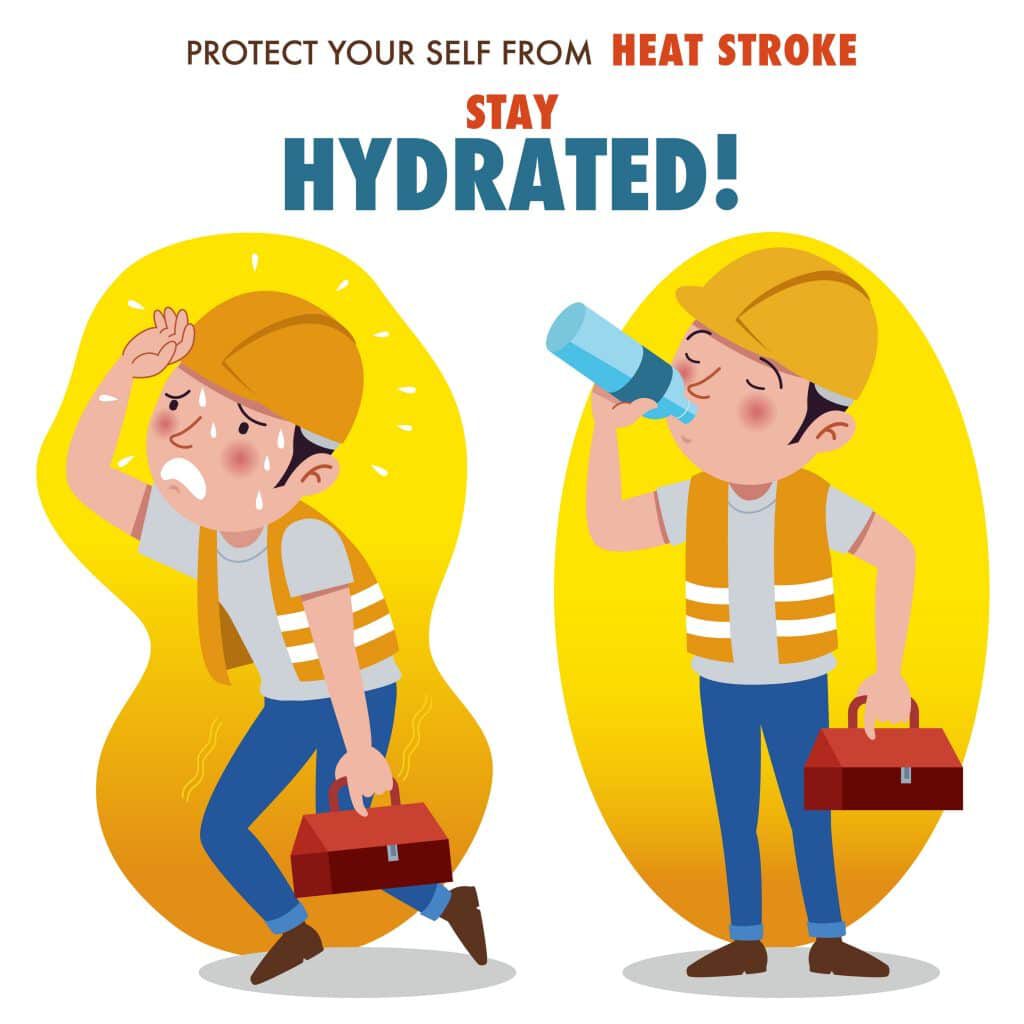
Udar cieplny zwykle ma miejsce, gdy temperatura ciała przekracza 103. W tym momencie mechanizm pocenia się wyłącza, a temperatura ciała wzrasta jeszcze szybciej. O ile osoby te nie otrzymają natychmiastowej pomocy medycznej, udar cieplny jest zwykle niepełnosprawny lub śmiertelny.
Wyczerpanie cieplne is chronic exposure to high temperatures and, just as importantly, high humidity. When the air is humid, sweat doesn’t evaporate as quickly, so the body doesn’t cool itself as well.
As a rule of thumb, if the heat index (temperature combined with humidity) is over 90 during a heat wave, heat exhaustion could be an issue. During a serious heat wave, the heat index could be above 90 by the time workers head to their jobs.
Protecting workers from heat-related illness is a bit like protecting workers from hearing loss. Usually, sudden, extremely loud noises don’t cause hearing loss. Instead, prolonged exposure to quieter noise is generally the problem. Likewise, extreme heat often isn’t a problem, even in outdoor work environments or un-air-conditioned indoor facilities. Instead, working in such areas daily could cause heat exhaustion.
Workers’ compensation typically covers heat exhaustion, heatstroke, and other heat-related illnesses caused by a heat wave. These no-fault benefits replace lost wages and pay medical bills.
Most of the time lost wage replacement is based on the worker’s Average Weekly Wage. There’s usually a difference between a worker’s average take-home pay and a worker’s AWW. For example, the AWW includes non-cash compensation, like employer-provided meals, while workers’ compensation pays “reasonably necessary” medical bills.
Since this phrase is vague, injured workers and insurance adjusters have different opinions as to what qualifies. Injured workers need the best available treatment, but insurance adjusters are usually only willing to pay for the cheapest available option.
If employers break the law and don’t have workers’ compensation insurance, a New York personal injury lawyer can typically file an injury claim in civil court. The same remedy is available in other situations. These victims are entitled to additional compensation for their emotional distress and other noneconomic losses.
Ochrona sąsiadów
Young children, older adults, and people with pre-existing conditions are most at risk for heat-related illnesses during a heatwave. Psychotropic drugs, diuretics, tranquilizers, and some medications for Parkinson’s Disease
znacznie wzrosnąć the chances of heat-related illness.
Spending time in an air-conditioned area is, by far, the best way to prevent such problems. Encourage these individuals to spend the afternoon at a public library or shopping mall. If you buy them a bottle of water while they’re there, that’s even better.
Furthermore, landowners have a legal duty to provide safe and secure environments. Safety and security include maintaining an internal and external temperature that may not be comfortable but at least isn’t hazardous.
Chances are, at least two or three at-risk individuals live in your building or neighborhood. We’re all very busy, but it only takes a few seconds to pick up the phone or knock on the door.
For more information about your rights as a tenant or worker, contact
Napoli Shkolnik, .

 (844) 230-7676
 Język
Język


 Dla kontrastu A Adwokat ds. obrażeń ciała w Nowym Jorku aggressively protects health and safety from excessive heat exposure. This responsibility also includes protecting our friends and neighbors during the increasingly frequent heat waves.